Uncategorized

Getting a Mortgage: Why SO MUCH Paperwork?

We are often asked why there is so much paperwork mandated by the bank for a mortgage loan application when buying a home today. It seems that the bank needs to know everything about us and requires three separate sources to validate each and every entry on the application form. Many buyers are being told by friends and family that the process was a hundred times easier when they bought their home ten to twenty years ago.

There are two very good reasons that the loan process is much more onerous on today’s buyer than perhaps any time in history.

  1. The government has set new guidelines that now demand that the bank provebeyond any doubt that you are indeed capable of affording the mortgage. During the run-up in the housing market, many people ‘qualified’ for mortgages that they could never pay back. This led to millions of families losing their home. The government wants to make sure this can’t happen again
  2. The banks don’t want to be in the real estate business. Over the last seven years, banks were forced to take on the responsibility of liquidating millions of foreclosures and also negotiating another million plus short sales. Just like the government, they don’t want more foreclosures. For that reason, they need to double (maybe even triple) check everything on the application.

However, there is some good news in the situation. The housing crash that mandated that banks be extremely strict on paperwork requirements also allowed you to get a mortgage interest rate probably below 5%.

The friends and family who bought homes ten or twenty ago experienced a simpler mortgage application process but also paid a higher interest rate (the average 30 year fixed rate mortgage was 8.12% in the 1990’s and 6.29% in the 2000’s). If you went to the bank and offered to pay 7% instead of <5%, they would probably bend over backwards to make the process much easier.

Bottom Line

Instead of concentrating on the additional paperwork required, let’s be thankful that we are able to buy a home at historically low rates.

Standard
Uncategorized

Do You Know The Real Story of The Fourth of July?

Our Country’s humble beginnings:

When we think of July 4th we think of the birth of the United States of America, and the triumph that accompanied the Declaration of Independence. We think of the liberation of our people and the beginnings of our country as an independent nation. With all the celebrating that goes on nationwide, people often forget to reflect on  what really happened on July Fourth. Most of us will come to the same conclusion: we have no idea!

Did the Continental Congress declare independence on the Fourth of July? Nope, that happened on July 2, 1776.

Did the American Revolution start on the Fourth of July? Nope, that happened in April 1775.

Did Thomas Jefferson write the Declaration of Independence on the Fourth of July? Nope, that happened in June 1776.

So what did happen on the Fourth of July? The answer…not much.


So, what did happen?

On July 4, 1776 the Continental Congress approved the final draft of the Declaration of Independence, after several days of drafting and editing. This date was then included on the handwritten copy of the Declaration of Independence that was signed in August, as well as on the original copies that circulated the new nation. Naturally, people began to associate the Declaration of Independence with the Fourth of July.

Constitution Day celebrates the anniversary of the Constitution being signed, Independence Day merely celebrates the anniversary of the Declaration of Independence being approved. If we celebrated the day that the Declaration of Independence was signed, we’d celebrate Independence Day on August 2.


The birth of a national holiday.

The Declaration of Independence was not formally celebrated for the first 20 or so years after coming to fruition. In fact, by the time the 1790s rolled around, the Declaration had become a controversial issue in the new government. The Democratic-Republicans supported Thomas Jefferson and the Declaration of Independence but the Federalists felt that the Declaration contradicted their policies.

This all changed after the War of 1812 when the Federalist party broke down. Again, copies of the Declaration of Independence circulated, all with the date July 4, 1776 listed on top. The coincidental deaths of Thomas Jefferson and John Adams on July 4, 1826 may have also factored into the Fourth of July becoming an important day.

Fourth of July celebrations became more and more common in the following years. In 1870, almost a hundred years after the Declaration of Independence was written, Congress declared the Fourth of July to be a national holiday as part of legislation that officially recognized several national holidays, such as Christmas.


Today, Independence Day seems to be the perfect holiday. There’s sunshine, good food, and we get to be patriotic as we celebrate our country. So plan out your party menu, gather up the invitations, and figure out the best ways to show off your red, white, and blue pride.

Whether you’re throwing a barbecue or having a few friends over for some Fourth of July drinks, it’s easy to get your patriotic spirit in full swing.


Fireworks in the area:

Stamford:  July 3 – 9:00PM at Cummings Park; rain date: July 5

Norwalk:  July 3 – Dusk at Calf Pasture Beach; rain date: July 5

Rowayton:  July 4 – 9:15 PM at Bayley Beach; rain date: July 5

Darien:  July 5 – 9:00 PM at Darien High School; rain date: July 6

New Canaan:  July 4 –  5:00 – 10:00 pm at Waveny Park; rain date: July 5

Rye (NY):  July 4 – 9:30 pm at Playland Park; rain date: N/A

Greenwich: July 5 at dusk at Greenwich Point & Binney Park; rain date: July 6

Westport:  July 3 – 9:00pm at Compo Beach; rain date: July 7


Standard
Uncategorized

Keeping some of the ‘Sizzle’ out of your Summer Electric Bill

Some Options to Consider:

Turn your Thermostat up. By keeping your home at 78 degrees vs. 70 degrees, you can cut air conditioning costs nearly in half. To save even more, try setting your thermostat a few degrees higher when expecting to be out of your home for an extended period of time. Programmable thermostats, which can be bought for a few hundred dollars, make this process easier by following a schedule based on your personal preferences, and can ultimately save you up to 20 percent of your electrical usage.


Use Ceiling Fans. If turning the thermostat up to 78 degrees sounds drastic, try using ceiling fans to lower the temperature of your house by three to five degrees.

Keep Windows and Drapes closed. Since sun streaming through windows accounts for about 50 percent of the heat that enters a house, closing windows and drapes are efficient ways to reduce the amount of money spent on cooling. With less heat coming in, there is less of a need for air conditioning to run.

Turn off the Lights. Most people do not realize that the average American spends 15 percent of his or her electric bills on the costs of lighting his or her houses. Lights give off heat and use electricity, so try turning lights off when you leave a room for a cooler home and a cheaper electricity bill.

Be creative when Cooking. To avoid heating up your home, try using your kitchen appliances less and barbecuing and outdoor eating more. To avoid the unwanted air conditioning costs that accompany the heat produced by ovens, switch your cooking style to outdoor grilling, or even use a slow cooker. Also, rather than thawing food in the microwave, take advantage of the summer heat, a method that does not generate electricity or cost you money.

Unplug, unplug, unplug. Many appliances consume power, even when not in use. Since many devices are not designed to save power when turned off yet plugged in, make sure to unplug gaming devices, hairdryers, toaster ovens, etc., when not in use. Another way to conserve energy is to stagger the timing of keeping devices or appliances plugged in, such as washing clothes and dishes at night, when the air conditioning is not using as much energy.

Perform routine maintenance on Air Filters. Replacing or cleaning your air filters monthly can save you as much as 10 percent on your electric bill by not restricting air flow, thus allowing your air unit to work more efficiently.

Get to know your Utilities’ “Time of Use Plans.” Understanding what plans your Utilities provide allows you to schedule high energy activities on off-peak hours. There are also payment plans that allow for budget billing to be spread out more evenly over the course of the year.

Though investments do have a cost, the following investment options have a relatively short payback time, which occurs when the savings on your electrical expenses surpass your initial investment cost.

Invest in Shade Screens. Though these screens can be pricey, possibly costing over $300 per window,  you
should keep in mind that 50 percent of the heat that enters your home comes in through your windows. Placing these screens on the windows on the Southside of your home, or those that are often in the sun, will repay your investment before you know it.

Plant Shade Trees. While some people choose to plant trees for their beauty, others plant trees for the monetary benefits these trees can provide. After shade-bearing trees reach maturity, they enable you to save up to $50 per year on electrical expenses, by blocking some of the heat from entering your home. Many utilities have programs that support the planting of these trees with minimal costs.

Replace that old Refrigerator or Freezer.  Replacing an old refrigerator or freezer with a new, more efficient one can decrease your electric bill by $40 a month. Some of these new appliances even show energy usage on the label, so you can calculate what your savings and payback period will be, prior to buying the fridge or freezer. Along the same lines, for those with swimming pools, investing in a more efficient pool pump can also save a similar amount of money per month.

Install weather stripping. Even when houses are well constructed, with cold and heat expansion and contraction, a house can start to create small gaps on windows and doors over time, where heat can enter. Either weather
stripping or caulking will solve this problem, two options that are attainable at low costs.

Give your Home an Energy Check-up. Almost all Utilities offer a home energy audit for a nominal charge, often around $100 per audit. Going through your home with an expert can be beneficial for seeking out energy inefficiencies and their solutions.
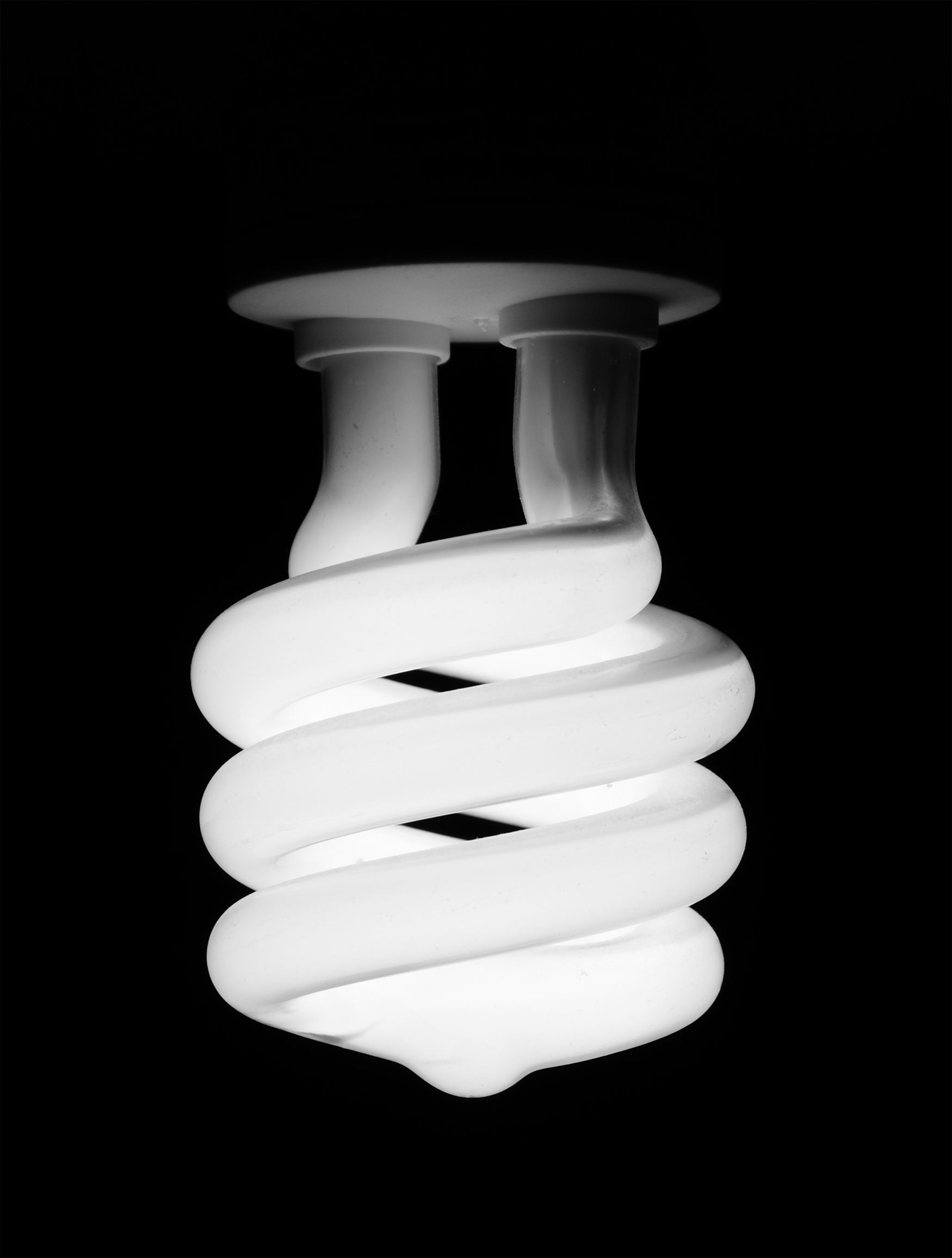
Switch to Fluorescent light bulbs. Last but not least, when a bulb burns out, investigate these more efficient florescent bulbs, which have a slightly higher cost but burn cooler and last longer.

Here is the Bottom Line.

Energy inefficiencies can result from a variety of factors, but luckily, many have easy fixes. By trying a few of these ideas, even if you save just $1 per day, imagine all you could do with that extra $365 per year. Try a few more of these simple ideas and who knows how much you can save.

 

Standard
Uncategorized

Ready for some Hot Music & Steamy Nights This Summer?

Columbus Park is the place to be for some serious summer fun…great music & dancing – some really good times are on the horizon!

Jazz Up July

This outdoor summer jazz concert series spotlights live music from national and regional headliners. The event takes place on Wednesday nights at 6:30pm, July 9 through July 30.

This year’s series has been expanded to include several different genres of music (not just Jazz).

Alive @ Five

This year marks the return of Alive@Five vets Blues Traveler, who performed at the series in 2008, and Sugar Ray and Smash Mouth, who appeared the following year. The Beach Boys closed out the series in 2010, and it was awesome! New faces include KC and the Sunshine BandBarenaked Ladies, Ed Kowalczyk of the band Live and Jake Miller.

The concerts start on July 10th and continue every Thursday until Aug. 14th at Columbus Park in Downtown Stamford.

Hope to see you there!

Standard
Uncategorized

Happy Father’s Day!

Father’s Day celebrated it’s 100th anniversary in 2010. Of course there is some debate on where the idea for Father’s Day originated in the US. Some believe that it was in July 1908 in a West Virginia church in a sermon in memory of 362 miners who had died in an explosion. This was meant to be a one time commemoration, not an annual holiday.

 The following year a woman name Sonora Smart Dodd, known as “The Mother of Father’s Day”, tried to establish an equivalent of Mother’s Day for Fathers. Her Mother had died when she was 16 and left her and 5 younger brothers for her Father to raise which inspired her to propose equal recognition for Fathers.  She lobbied throughout Washington State and was successful in having the nation’s first statewide Father’s Day on July 19, 1910.

 In 1916 President Woodrow Wilson honored the day by using telegraph signals to unfurl a flag in Spokane. In 1924, President Calvin Coolidge urged state governments to observe Father’s Day, however many men were not in favor.  During the 1920’s & 30’s a movement rose to scrap both Mother’s Day & Father’s Day in favor of a single holiday – Parents’ Day.  The Depression and struggling retailers derailed that effort and strived to make Father’s Day a “second Christmas” for men.

 When World War II began, advertisers argued that celebrating Father’s Day was a way to honor American troops and support the war effort. By the end of the war Father’s Day may not have been a federal holiday but it was a national institution.

 In 1966 President Johnson signed a proclamation that the third Sunday in June be recognized as Father’s day and requested flags be flown at all government buildings and finally, in 1972, President Nixon signed a federal proclamation making Father’s Day a federal holiday.

 Scholars believe that the real origin of Father’s Day can be traced to the ruins of Babylon where a young boy named Elmesu carved a Father’s Day message on a card made out of clay nearly 4,000 years ago wishing his father good health and a long life.

 Today over 50 countries around the world, from Antigua to Zimbabwe join in the Father’s Day celebrations.


Standard
Uncategorized

How to Keep Your Lawn Lush and Healthy this Summer

If spring lawn care is about getting your lawn healthy and green, summer is about KEEPING it healthy while temperatures soar and rainfall becomes a fleeting memory.  Here are some tips for keeping your lawn in shape over those long, hot days of summer.

After the spring growing season, summer brings quite a bit of stress to your lawn.  We want our lawns lush and green for outdoor activities, and we try to fight nature by continuing to fertilize, water, and coax new growth out of our lawns no matter what the weather. However, by understanding and respecting the seasonal changes of turf grasses, you can take steps to care gently for your lawn as the mercury rises.

Once temperatures get into the 80s and above, lawns will begin to struggle a little. Growth will slow, color may fade, and lawns will show signs of wear and tear as they are less able to recover from stress and traffic.

  Water Wisely

  • Lawns need at least one inch of water per week, and more when the heat is severe.
  • Water deeply and less frequently to encourage drought-tolerant roots.
  • Water early in the day to reduce evaporation and fungal growth.
  • Either water your lawn regularly and deeply, or don’t water at all. Don’t let your lawn go brown and dormant, then try to “water it back to life.” If your lawn goes dormant in summer, it should stay that way until fall – don’t worry, it should recover once the weather changes.

 Mowing Tips                     

  • Raise your mower blade in the summer. Taller grass is more drought-tolerant, grows deeper roots, and helps shade the earth to prevent weed seeds from germinating.
  • Mulching grass clippings helps keep moisture levels steady.
  • Mow regularly, to prevent cutting more than 1/3 of the grass blade at a time. This keeps your grass healthier and prevents the clippings from smothering the grass.
  • Keep mower blades sharp. Make sure your mower is cutting your grass, not tearing it, to minimize stress during hot temperatures.

Don’t Over Fertilize

If your lawn is looking straggly in midsummer, resist the urge to fertilize. In fact, it’s best to stop fertilizing about 30 days before summer temperatures arrive. Applying extra fertilizer in the heat of summer can burn your lawn and create a flush of tender growth that will struggle in the hot summer weather. Never fertilize dormant lawns – wait until they green up in the fall.

High-Traffic Areas

By summer, many lawns begin to show signs of wear, especially in a few popular pathways. Consider installing stepping stones to minimize damage to your grass, and try to minimize traffic on dormant, brittle lawns. If you’re getting plenty of rainfall and your lawn is actively growing, you can apply a bit of fertilizer to these areas to help the blades recover faster.

 Control Weeds

Summer is the season to get those growing weeds removed before they bloom and disperse seed for next year. Targeted postemergent herbicides are designed to kill broadleaf weeds without harming turf grass, but they must be applied when temperatures will be below 85° F for a few days. Keep in mind that during the heat of summer, ANY product can be damaging to already-stressed lawn grasses, so use sparingly or hand-pull weeds instead.

Insects and Diseases

  • Dormant or drought-stressed summer lawns can be more susceptible to insect infestations, such as chinch bugs, cutworms, armyworms, sod webworms, fire ants, fleas, and mosquitoes.
  • Summer is also the time for fungal diseases, such as powdery mildew and brown patch. Apply fungicide if needed, and avoid watering in the evening to keep nighttime moisture at a minimum.
  • Grubs will begin hatching in your lawn over the summer. If grubs typically cause problems in your lawn, you can begin applying grub control around midsummer.

 Can Greener Grass translate into more “Green” in Your Pocket?
Call and Let’s Chat.


Standard
Uncategorized

May is National Home Remodeling Month!

It’s that time of year again. Spring is a time for fresh ideas, new beginnings and home remodeling.   Don’t wait until summer to start thinking about making changes to your home.  Whether it is updating appliances in the kitchen or installing new tile in the bathroom, to something more time intensive like taking down a wall or adding on a new room, remodeling is on the rise.

 Some things to keep in mind:

Know why you’re remodeling. Are you selling? Addressing changing family and lifestyle needs?  Wanting more efficient appliances and lighting? Your reasons for remodeling can impact your decisions—for example, if you’re selling, your choices may be more about buyer appeal than personal taste. On the other hand, if you’re building your dream kitchen, you may not want to compromise on certain features. Evaluate your project in light of your property value and return on investment and look for options that meet your overall needs.


Make a wish list/scrapbook. Use the Internet to peruse pictures and articles.  Get brochures, color samples, and fabric swatches, and cut out or print pictures that show features or details of work that you like. Take pictures of other homes, and keep a scrapbook of ideas.  

Know your budget. A realistic budget can help you prioritize options. In your bathroom upgrade, will you really use that expensive spa tub, or are luxury shower heads, bath fixtures, and a towel warmer more important? If you want a contemporary, industrial look in your kitchen, can you compromise elsewhere so that you can afford concrete or stainless-steel countertops?

Remember that “form follows function.” Look at your existing space critically. Evaluate how you use it. Assess high-traffic areas, kitchen work triangles, and overall flow. Define what already works and what doesn’t. Get input from all family members, even children. The “look” of your new space should be secondary to layout and function. You can work on achieving that “magazine” look after you have the basics.

Research products. Research your options for features like countertops and flooring. Manufacturers’ Websites are a great place to start, and most companies have an 800 number for product questions. Evaluate the pros and cons for each product type to determine which options suit your budget, lifestyle, and taste the best. For example, cork flooring is quite popular but soft, so it’s not suitable in high traffic areas. Consider something more durable, like tile. If you have children or elderly family members, marble or polished tile could be slippery and hard on the joints and may not be suitable—laminate wood flooring or vinyl may be safer.

Some up-front planning and research can make your remodeling project go a lot smoother and help ensure that you’re satisfied with the end results. Above all else – remember to have fun!

Call me today to find out what home improvements today’s buyers are looking for.


Standard
Uncategorized

A Day Dedicated to Gratitude & Remembrance

Did you know it is traditional to fly the United States flag at half mast from dawn until noon and then raise it briskly to the top of the staff until sunset, in honor of the nation’s battle heroes on Memorial Day?

Until 1971, this holiday honoring men and women who died while serving in the US military was known as Decoration Day, which originated three years after the Civil War ended in 1868, by an organization of Union veterans.  The traditional date was May 30th.  Today, cities in the North and the South still claim to be the birthplace of Decoration Day.  However the North wins this argument with Waterloo, NY being declared the official “birthplace” in 1966 by Congress and President Johnson – a southerner!  In 1971, by an act of Congress, the holiday became known as Memorial Day and was moved to the last Monday of May.

To some, Memorial Day has become less of an occasion of remembrance. Many people choose to hold picnics, sports events and family gatherings on this weekend. This day is traditionally seen as the start of the summer season. For the fashion conscious, it is seen as acceptable to wear white clothing, particularly shoes from Memorial Day until Labor Day – fewer and fewer people follow this rule and many wear white clothing throughout the year.

“The National Moment of Remembrance Act” was passed in 2000.  This is to encourage all Americans to pause wherever they are at 3:00 pm local time on Memorial Day for a minute of silence to remember and honor those who have died in service to the nation.

To quote Gen. Logan from 1868 “with the choicest flowers of springtime we should guard their graves with sacred vigilance. … Let pleasant paths invite the coming and going of reverent visitors and fond mourners. Let no neglect, no ravages of time, testify to the present or to the coming generations that we have forgotten as a people the cost of a free and undivided republic.”

Memorial Day, however, has become less of an occasion of remembrance. Many people choose to hold picnics, sports events and family gatherings on this weekend. This day is traditionally seen as the start of the summer season for cultural events. For the fashion conscious, it is seen as acceptable to wear white clothing, particularly shoes from Memorial Day until Labor Day. However, fewer and fewer people follow this rule and many wear white clothing throughout the year.


Standard
Uncategorized

Top 10 Tips to Prepare Your Home for Spring after The Severe Winter We Just Had!

What a Winter!!!

As we recover from one of the harshest winters in recent history, it is important to inspect your home for damage and plan for home maintenance, repair and remodeling projects.  Winter weather can damage homes in ways that aren’t easily visible. You should protect your investment and if necessary, hire a professional to repair or replace damaged components now, before Spring storms create more problems (and the way the wet weather has been , these are important things to check out) .

Here are 10 tips to follow when checking your home for damage in order to make sure your home is ready for Spring from top to bottom:

1.  Inspect roof – Check your roof for loose, warped or missing shingles and make sure the chimney flashing and skylight seals are intact.

2.  Clean and repair gutters – Clear winter storm debris from gutters and downspouts, and check that they are still securely attached to the house.  Blocked or loose gutter can allow water into your home and damage trim.

3.  Look for leaks – Common culprits for hard-to-find leaks are attics, crawl spaces and washing machine hoses.  Inspect these areas, look under sinks for damage from frozen pipes and check your water heater for signs of corrosion.

4.  Clear exterior drains – Remove leaves from underground or exterior drains to clear the way for spring showers and prevent backups.

5.  Inspect siding or shingles – Inspect siding or shingles for pieces that have come loose during winter storms.

6.  Check window and door seals – Examine the exterior caulking on door and window seals to ensure it remains watertight.

7.  Patch cracks – Patch cracks in concrete driveways, sidewalks and steps to keep water out and prevent further expansion.

8.  Inspect HVAC – Hire a qualified technician to service your home’s HVAC system to make sure it is running properly before hot temperatures call for air conditioning.  Now is also the time to replace your HVAC filters.

9.  Paint the exterior – Painting or touching up paint on the exterior of your home not only makes it look better, but will also help protect the home from the elements.

10.  Check your home’s grading – Ensure the grading of your yard slopes away from your home’s foundation to keep excess moisture at bay.

                                                    Call me today to find out more ways you can get your home ready for the warmer weather!

Standard
Uncategorized

Mother’s Day – The Meaning is More Than Just a “Hallmark Holiday”!

The origin of Mother’s Day goes back to the ancient Greeks and Romans and can then be traced to Mothering Sunday in the UK – way before it made an appearance in the US!

The early Greeks and Romans celebrated a spring festival dedicated to the maternal goddesses (aren’t we all goddesses?) which began 250 B.C.  Early Christians later celebrated a Mother’s Day on the 4th Sunday of Lent to honor the Virgin Mary. In the 1600’s England expanded the holiday to include all mothers and called it “Mothering Sunday” where children brought gifts and flowers to pay tribute to their own mothers.    The tradition faded by the 19th century, however it came back to be celebrated after World War II when American servicemen brought the custom back with them to the US . Retailers loved the idea and, that’s when it became more commercialized.

Today Mother’s Day is celebrated in 46 countries where people take the opportunity to pay tribute to their mothers and thank them for all their love and support.

I know I am so thankful for my Mom and hope you enjoy celebrating your mothers on their special day, whether you can be together or cherish the memories!

Standard